Brand Comparisons
Titleist vs Callaway: Which Golf Ball Suits Your Game?
Urethane, ionomer, compression and spin — a practical comparison framework that ignores tour marketing and focuses on your swing speed.
PalmFairways Editorial · 20 February 2026 · 9 min read
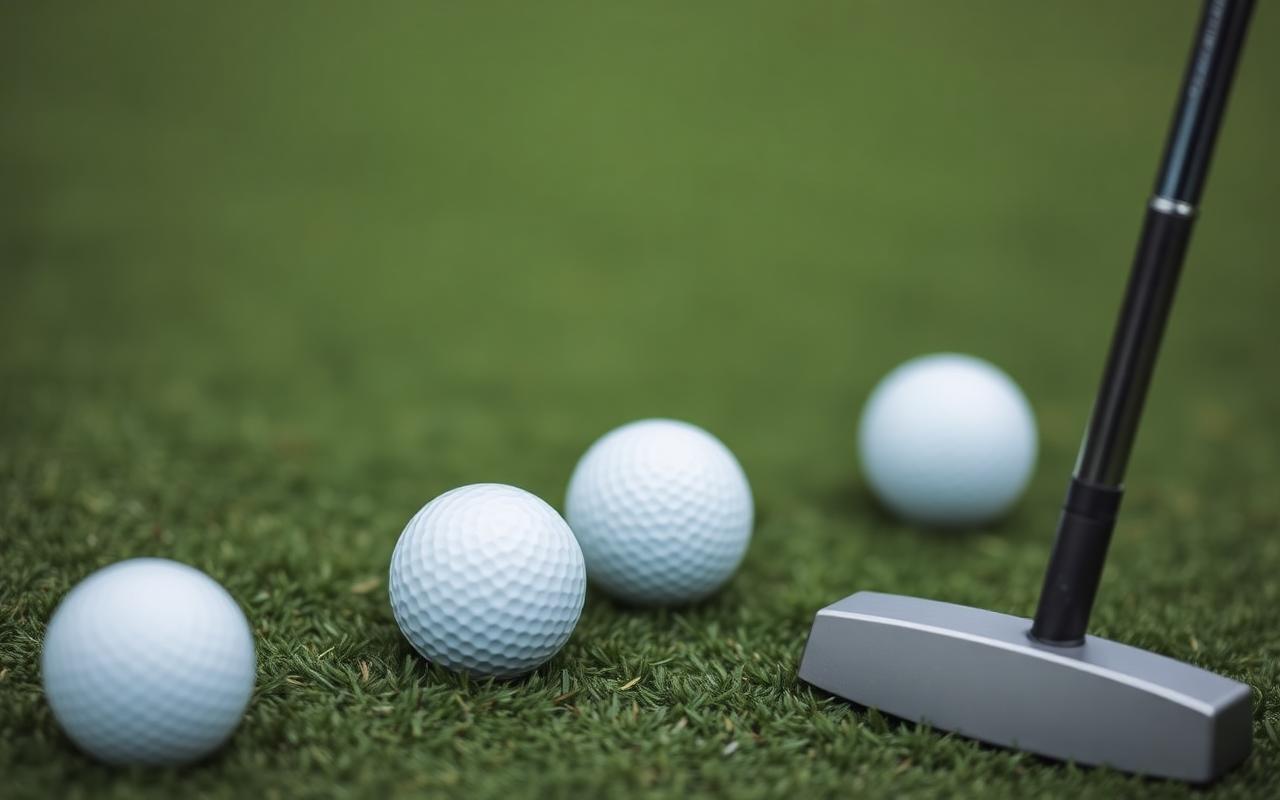
The golf ball is the only piece of equipment you use on every shot, and it is the one most golfers choose by brand loyalty rather than fit. The honest comparison is not Titleist versus Callaway — it is urethane versus ionomer, and high compression versus low.
The two decisions that matter
1. Cover material
Urethane covers generate significantly more greenside spin and cost more. Ionomer (Surlyn) covers are more durable, spin less around the green and usually fly slightly straighter off the driver. If you hit greens in regulation and want the ball to stop, urethane earns its money. If you lose three balls a round, it does not.
2. Compression versus swing speed
| Driver swing speed | Suggested compression | Typical category |
|---|---|---|
| Under 85 mph | Low (50–70) | Soft-feel urethane or premium ionomer |
| 85–100 mph | Mid (70–90) | Mid-compression urethane |
| Over 100 mph | High (90+) | Full tour urethane |
Playing a tour ball at 80 mph is the most common mis-fit in amateur golf. You lose distance and gain nothing, because you cannot compress the core enough to access the spin characteristics you paid for.
Brand character, fairly stated
- Titleist tends toward firmer feel, extremely consistent flight and the most reliable quality control in the industry
- Callaway tends toward softer feel with strong greenside spin and often more forgiving driver dispersion
- Both make excellent balls at every price tier — the tier matters more than the badge
How to actually test
- 01Buy one sleeve of each candidate. Do not test on the range — range balls prove nothing.
- 02Play the same nine holes twice, one ball model each time, same conditions.
- 03Judge only two things: greenside stopping power and driver dispersion. Distance differences at amateur speeds are largely noise.
- 04Choose one and commit for a season. Ball switching is a bigger scoring problem than ball choice.
Heat matters here
In 40°C Dubai conditions the ball flies further and feels softer. Do not draw compression conclusions from a July round and apply them to January.
Frequently asked questions
- Is a Pro V1 worth it for a mid handicapper?
- If you regularly reach greens in regulation and want approach shots to stop, yes. If you lose several balls per round or swing under 85 mph, a mid-compression urethane or premium ionomer ball delivers most of the benefit for less money.
- Does golf ball compression really matter?
- Yes, particularly below 90 mph driver speed. A ball you cannot compress robs you of distance and does not deliver the spin characteristics it was designed around.
- Titleist or Callaway for more spin?
- Within the same tier the difference is small. Cover material decides spin far more than brand — choose urethane if greenside control is the priority.
Read next

Buying Guides
Best Golf Rangefinders 2026: A Buying Guide
Slope, magnification, lock speed and glass quality — what actually matters in a laser rangefinder, and how to avoid paying for features you will never use.
12 min read

Golf Tips
How to Break 90: The Five Changes That Actually Move the Number
Not swing tips. A strategy and short-game framework that takes a 95-shooter to consistent 80s within a season.
11 min read
Equipment Reviews
Training Aids That Actually Work (And Three That Do Not)
Alignment sticks, tempo trainers and putting arcs earn their place. Most of the rest are expensive placebos — here is how to tell the difference.
10 min read
The Caddie Note
Dubai golf, once a fortnight
Course intelligence, green fee deals, honest gear notes. No noise.