Buying Guides
Best Golf Rangefinders 2026: A Buying Guide
Slope, magnification, lock speed and glass quality — what actually matters in a laser rangefinder, and how to avoid paying for features you will never use.
PalmFairways Editorial · 8 January 2026 · 12 min read
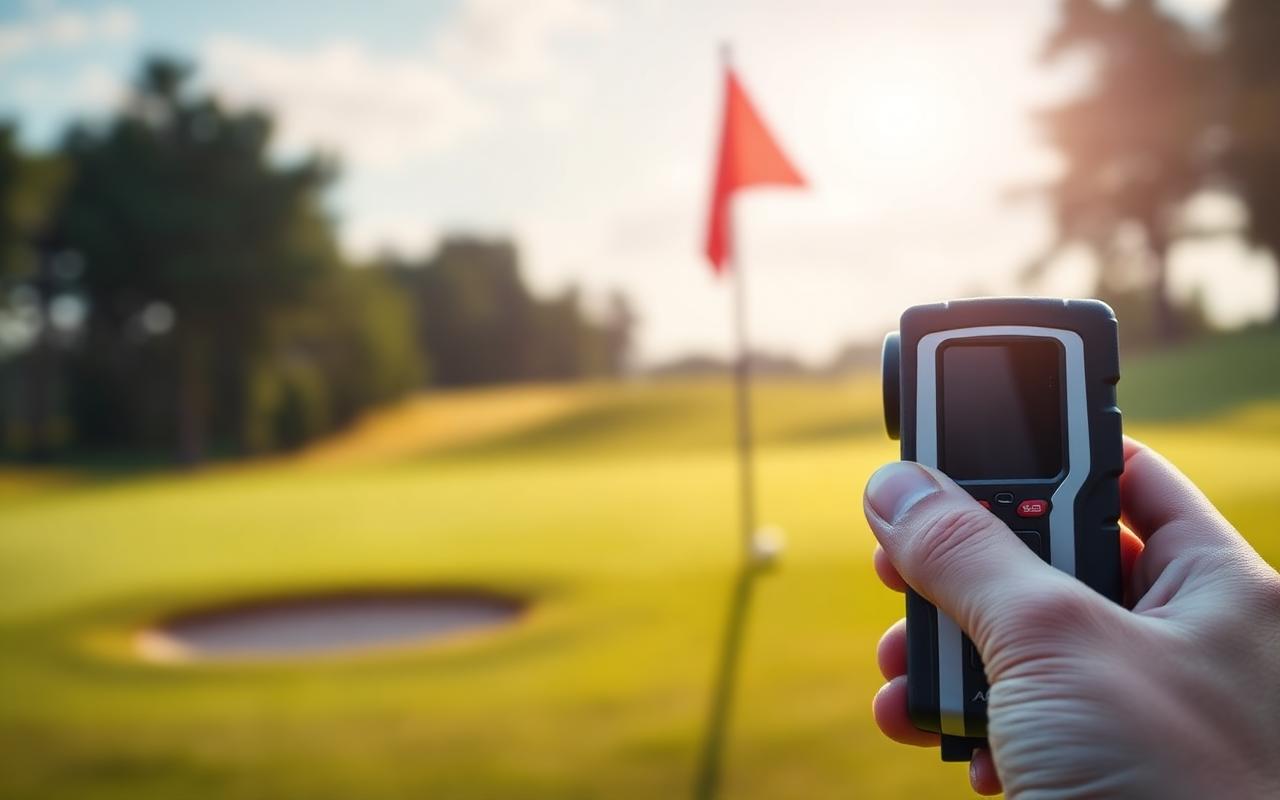
A rangefinder is the single most useful piece of technology in a golf bag, and the market has quietly split into two groups: devices that give you a number, and devices that give you a number you trust in three seconds while your playing partners are waiting. The difference is mostly glass, stabilisation and lock algorithm — not the headline specification.
The five specifications that matter
| Spec | What to look for | Why |
|---|---|---|
| Magnification | 6x or 7x | 6x is easier to hold steady; 7x helps on 250m+ targets |
| Slope | Toggleable, with a visible switch | Tournament legality requires a clear off state |
| Lock confirmation | Vibration plus visual | Confirms you hit the flag, not the tree behind it |
| Display | OLED red or high-contrast black | Red wins at dusk, black wins in bright desert glare |
| Weatherproofing | IPX4 minimum | Sweat and humidity kill cheap units faster than rain |
Slope: use it in practice, switch it off in competition
Slope-adjusted distance accounts for elevation change and gives you a 'plays like' number. It is genuinely useful and it is not legal in most competitive formats unless disabled. Any rangefinder you buy should have an external, visually obvious slope switch so a marker can see the state at a glance.
Laser versus GPS
- Laser: precise to the flag, needs line of sight, no subscriptions, better on unfamiliar courses
- GPS watch: instant front/middle/back numbers, useless for a specific pin, better for pace of play
- The honest answer for most golfers: a laser in the bag, a basic GPS watch on the wrist
What to ignore
- 01Claimed maximum range. If it says 1,200 metres, you will never use 900 of them.
- 02Bluetooth app pairing. Almost nobody uses it after week two.
- 03Accuracy claims tighter than ±1 metre. Your strike quality is the bigger variable.
The desert-specific test
In Dubai glare, cheap optics wash out completely between 11 am and 3 pm. If you can, test the display against a bright sky before buying — it is the most common regret we hear.
How to use it properly
- 01Range the flag, then range the front edge. The gap tells you how much green you have to work with.
- 02Brace against a cart post or your bag on long shots — hand shake is the main source of bad readings.
- 03Learn your carry distances, not your total distances. A rangefinder is only useful against real numbers.
Frequently asked questions
- Is slope legal in golf competitions?
- Slope-adjusted readings are not permitted in most competitive play. Rangefinders with a clearly visible switch that disables slope are allowed under the standard local rule.
- Do I need 7x magnification?
- Only if you regularly range targets beyond 250 metres. For most golfers 6x is easier to hold steady and locks faster.
- Laser or GPS for a golf rangefinder?
- A laser gives you precise pin distance and works anywhere without subscriptions. GPS is faster for general front-middle-back numbers. Many golfers carry both, but if you buy one, buy the laser.
Read next
Buying Guides
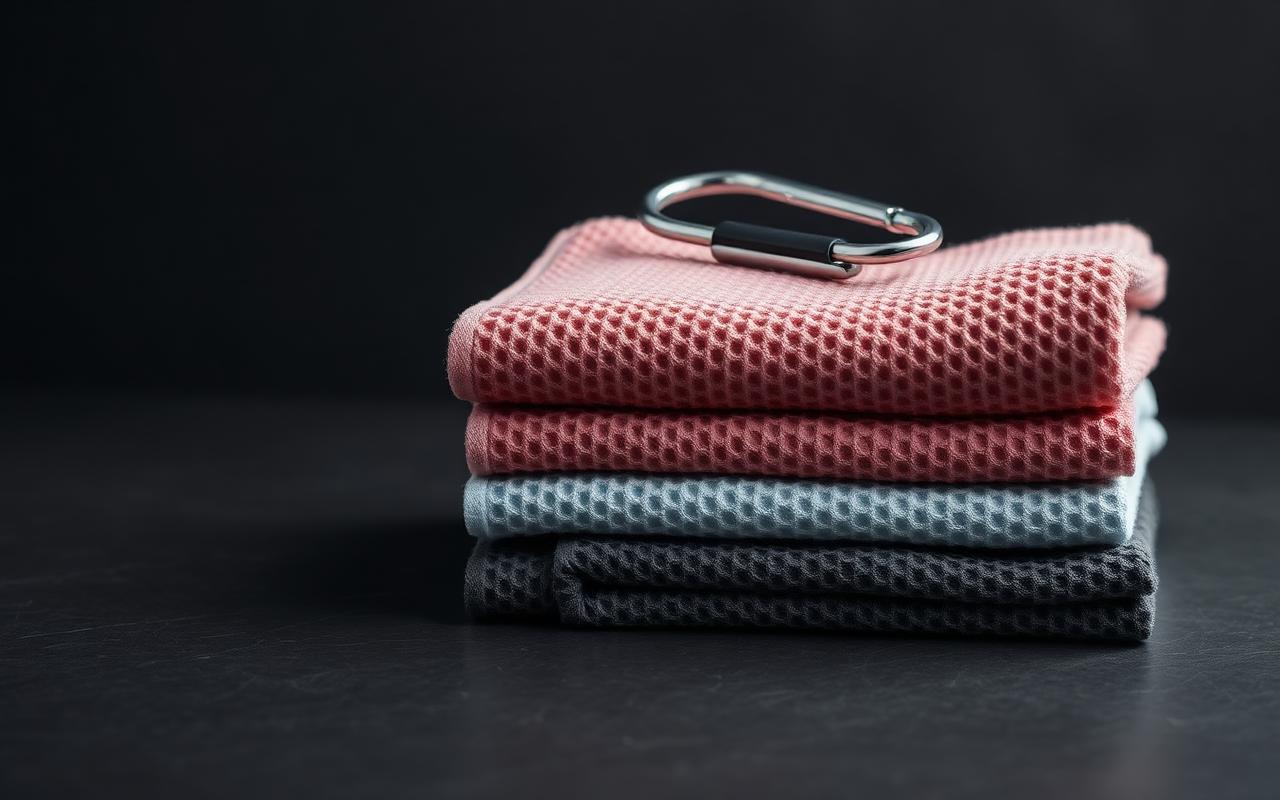
The Golf Towel Buying Guide (Waffle vs Microfibre vs Cotton)
A towel is the cheapest way to hit better iron shots. Here is which fabric actually cleans grooves, and why most golfers carry the wrong one.
8 min read
Travel
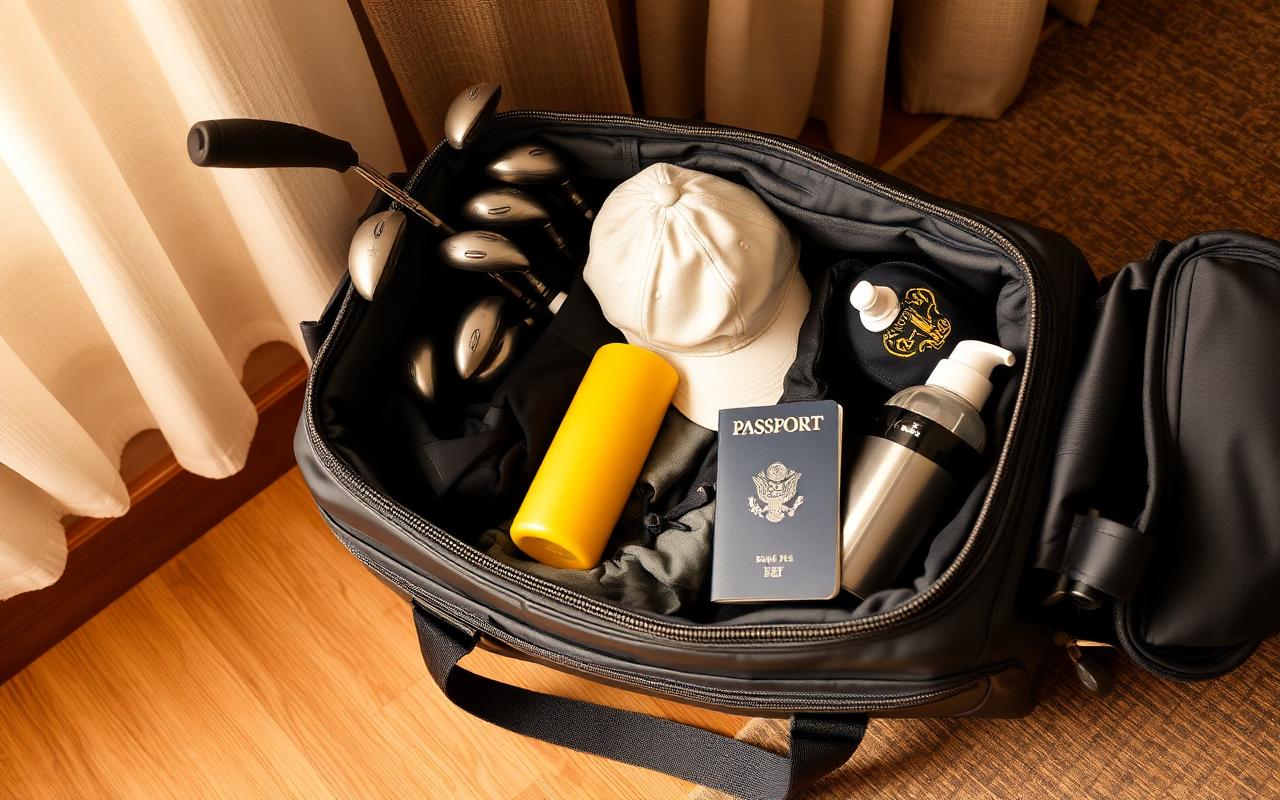
What Golf Gear Should Tourists Bring to Dubai?
A packing list built around 40°C heat, fine desert sand and firm Bermuda greens — including the four things nearly everyone forgets.
9 min read
Equipment Reviews
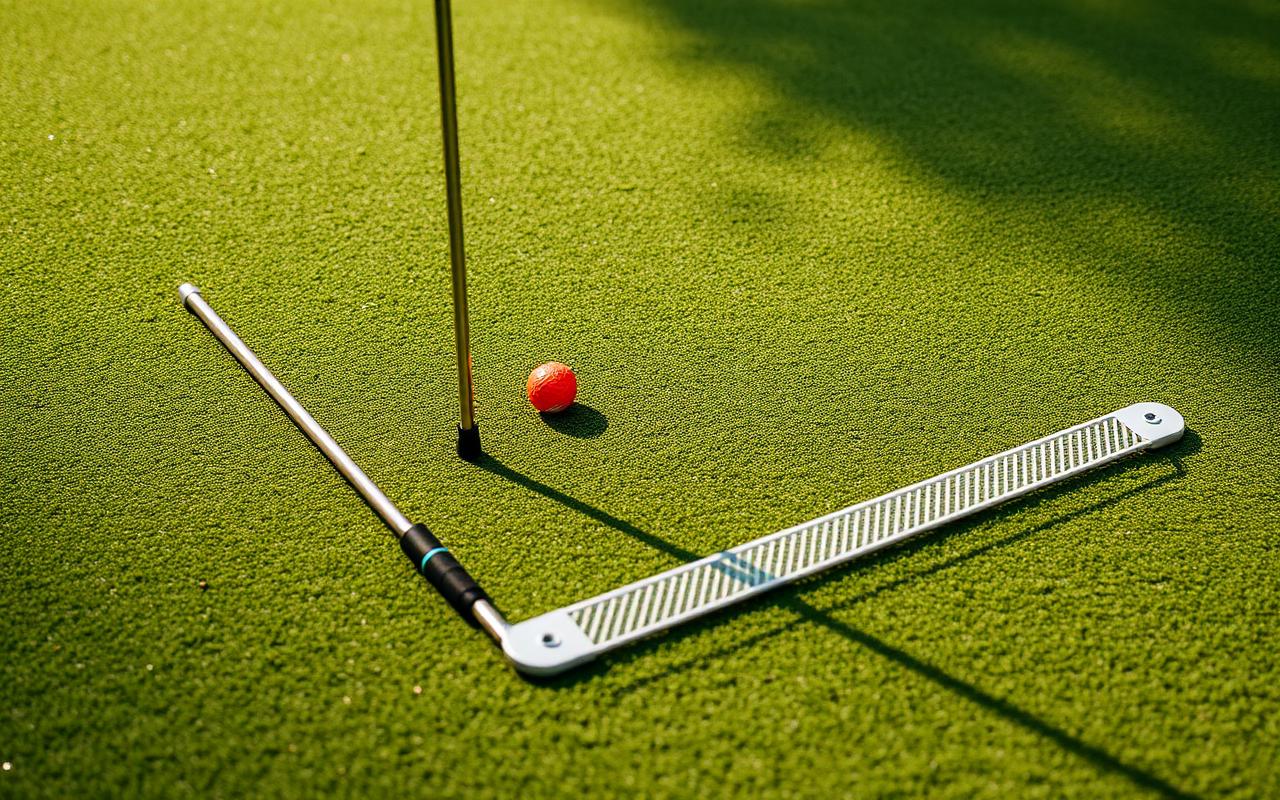
Training Aids That Actually Work (And Three That Do Not)
Alignment sticks, tempo trainers and putting arcs earn their place. Most of the rest are expensive placebos — here is how to tell the difference.
10 min read
The Caddie Note
Dubai golf, once a fortnight
Course intelligence, green fee deals, honest gear notes. No noise.